From protecting a nation to preserving family memories
By Larry Baumann
September 11, 2001 changed the nation. September 12 changed Geoff Weber’s life.
Still shaken and angry from the images of commercial airliners crashing into the World Trade Center buildings, the Pentagon, and a field in western Pennsylvania, Weber walked into a Navy recruiting office and traded the routine of a mundane desk job for resolve. At the time, he was working an uninspiring office job, one he admits felt disconnected from any larger purpose. “I was just another guy working a 9-to-5. I knew I had to do something. I needed to serve.”
Weber served for two decades. He rose through the intelligence community, fought alongside Navy SEALs, and represented the U.S. at embassies abroad. In his later roles within the intelligence community, Weber was immersed in the technical side of national security. His work centered on what he calls the digital backbone of America’s most sensitive secrets — the IT systems and data networks that carried classified information between 17 different agencies. “My job was to make sure secrets could move safely across agencies without being compromised. It wasn’t glamorous work, but it was critical.”
The years left their marks: injuries from battle that linger to this day, the psychological strain of war, and the isolation of being far from home. Yet they also forged lessons and skills that would play a critical role in shaping his future venture.
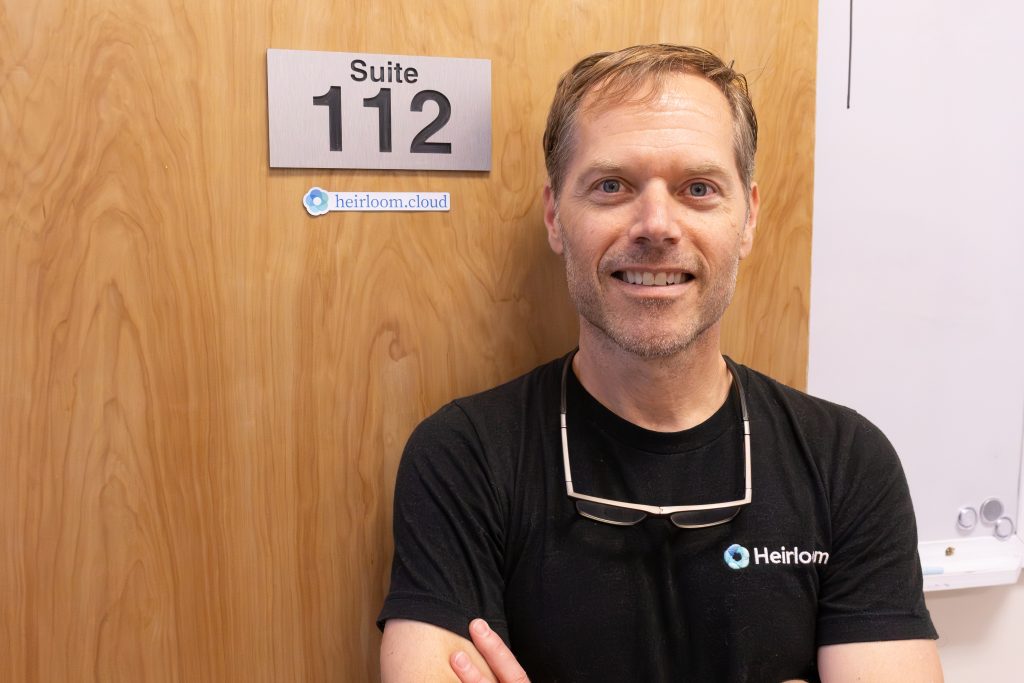
One day, his wife Nancy asked him to make copies of their wedding video, still sitting on a VHS tape decades later. Around the same time, his mother-in-law sent over a shoebox filled with old family photos. For Weber, both moments hit like a warning: their family history — their stories — were scattered, fragile, and at risk of being lost. “It hit me that we were one accident, one broken tape, away from losing everything.”
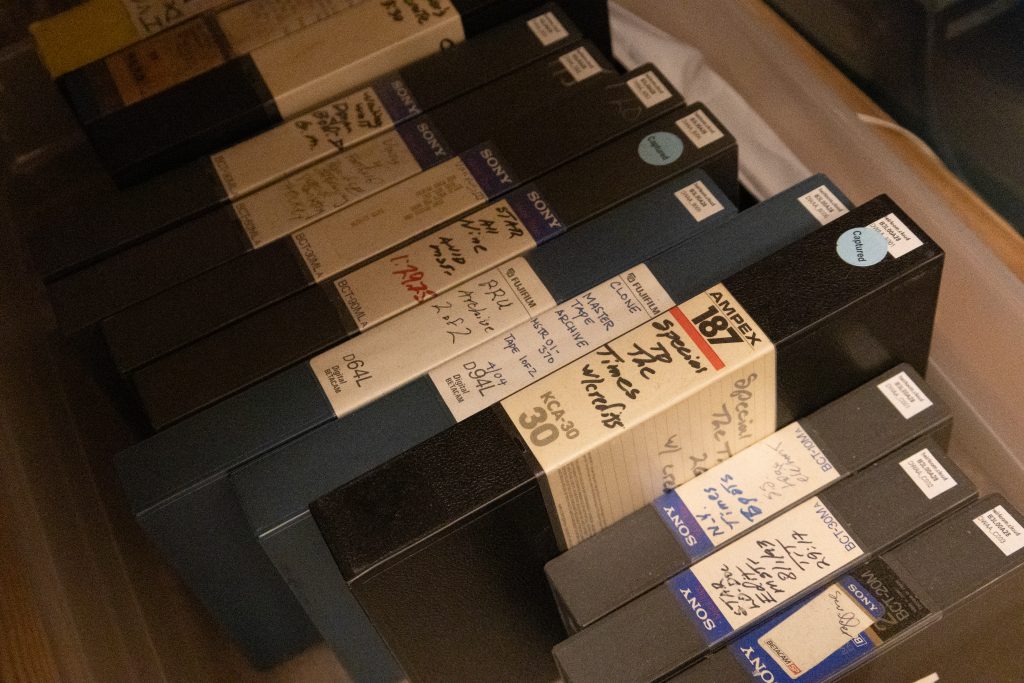
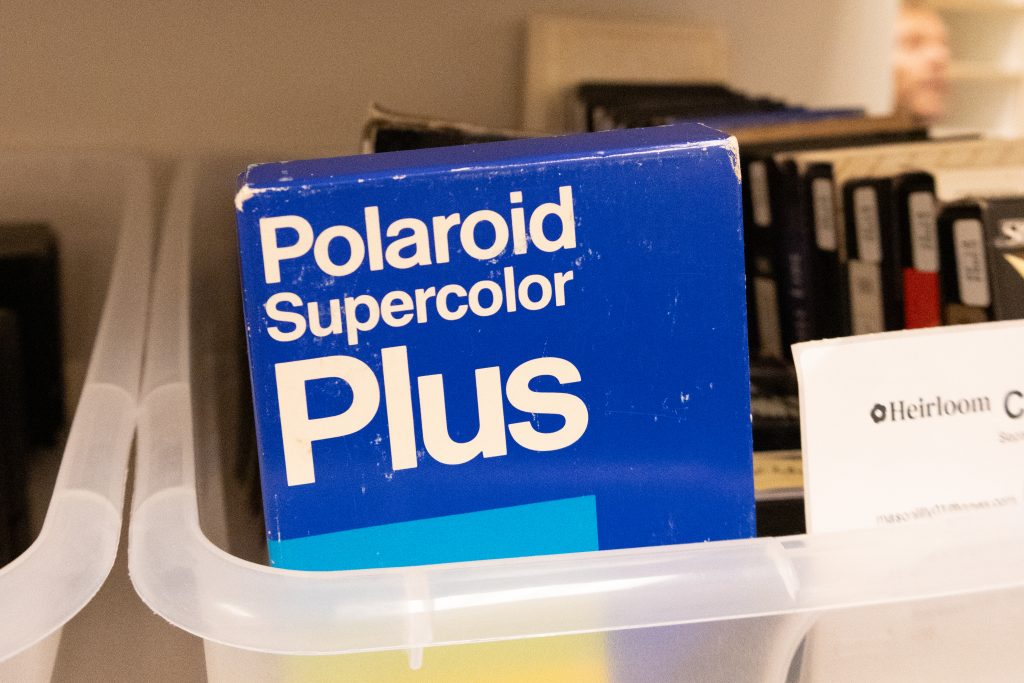
He went looking for solutions, but what he found was disheartening. The companies offering digitization were impersonal, their customer service indifferent, their products little more than cluttered DVDs and USB drives that solved one problem only to create another. “They weren’t offering innovation,” Weber said, “just indifference.”
That was the tipping point: the man tasked with organizing and protecting the country’s critical information would now do the same for his family’s.
The solution began to take shape in an unexpected way — through Weber’s son, whose health challenges, including autism, made full-time employment a hurdle. Weber encouraged him to think about what he could do from home that played to his strengths. That led to a project: systematically cataloguing the family’s photos and videos, logging each time a loved one appeared on screen. For Weber, it was a realization: this was more than a family project.
In his government service, he had already championed the value of neurodiverse hiring, seeing firsthand how attention to detail, loyalty, and pattern recognition could strengthen the intelligence community. Now, watching his son create order from decades of scattered media, he saw a personal proof point of the same principle. It also hinted at something bigger: the possibility that families everywhere could benefit from technology that did not just preserve memories, but organized and made them searchable.
Weber decided not to wait for someone else to solve the problem. He bought professional digitization equipment, taught himself how to use it, and began transferring every photo, video, and letter his family had collected. He built a secure cloud vault for their memories — safe, organized, and accessible from anywhere.
Among the first projects was a family video created for his father, who was serving in Vietnam. Decades later, seeing that film preserved and accessible again became one of the moments Weber says he is most grateful for. Friends and relatives were amazed by the results, asking how decades-old footage could suddenly appear on their phones. For Weber, that reaction confirmed what he already believed: preserving memories was not just possible, it was essential. It gave him peace of mind, knowing that his family’s history was no longer trapped on fragile tapes, scattered prints, or outdated disks.
When Weber stepped away from government service in 2022, he and his wife Nancy packed their car onto Amtrak’s Auto Train and set off to explore the East Coast, looking for a place to put down roots. They settled on Daniel Island. “We wanted a place where family mattered, and Charleston gave us that feeling right away. It felt like home.”
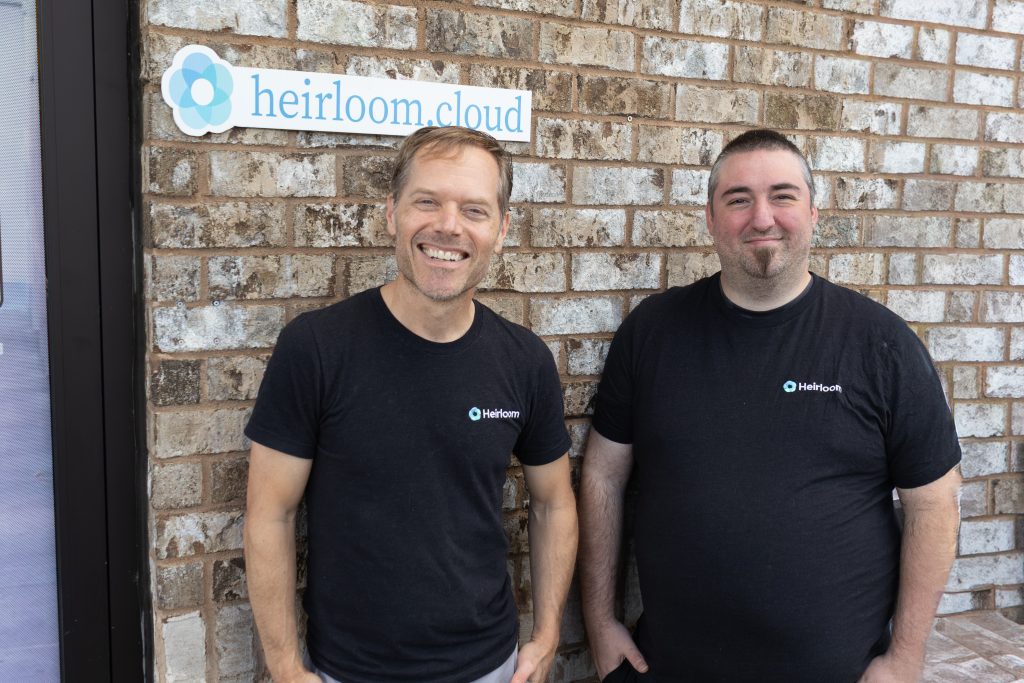
Soon after Weber launched Heirloom Cloud, a company dedicated to preserving family memories by digitizing and securing photos, videos, and letters in encrypted cloud storage. What began as a DIY project in his garage is now a growing team of 14 employees, operating out of the Harbor Entrepreneur Center in Mount Pleasant.
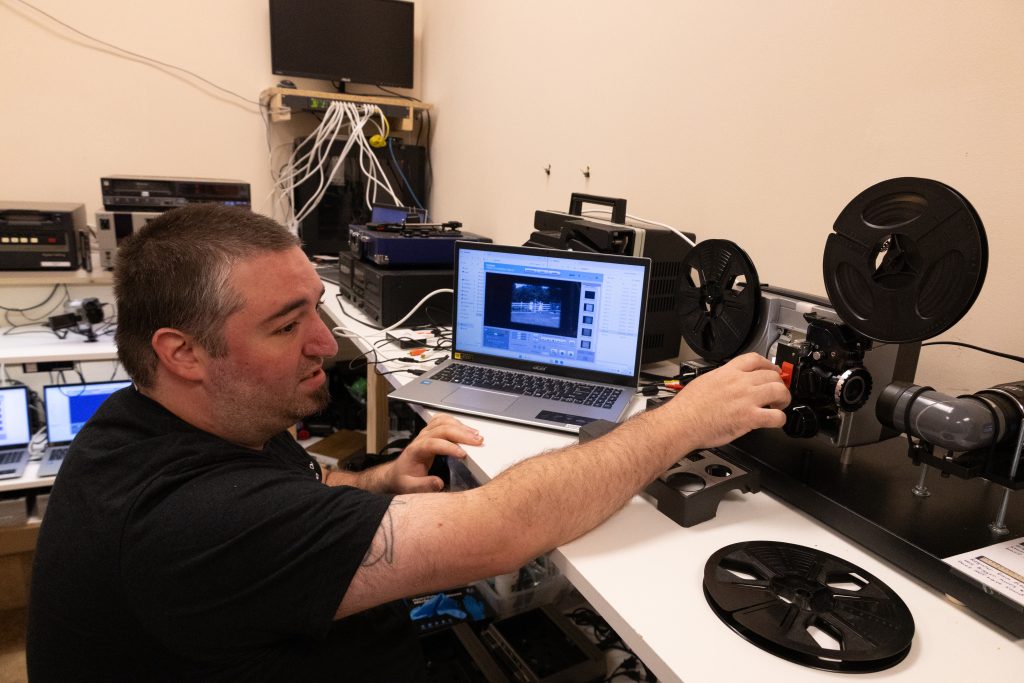
That growth has been fueled by a simple but powerful distinction: permanence. While many companies in the space still rely on fragile media or short-term fixes, Heirloom was designed from the outset for secure, encrypted cloud storage. Weber’s years of safeguarding classified information led to the clear realization that an encrypted cloud is the ultimate solution to ensure that digital memories are preserved.
Just as important as the technology is the community behind it. About half of Heirloom’s employees are neurodiverse. “Neurodiverse employees see things most people miss. That’s not a liability. It’s a superpower,” Weber said.
For Weber, the mission remains clear: Heirloom is not just about digitization or storage, it is about giving families a trusted, private space to share and relive the moments that matter most.
Looking ahead, Weber knows the challenge is not just building technology but helping people understand why it matters. Heirloom is still a young company, and awareness remains its biggest hurdle. “My hope is that one day, every family will have a safe place for their memories. That’s the legacy I want to leave.”
His vision is simple. Heirloom should be the place where families can return to find their stories, where children and grandchildren can experience moments that would otherwise fade. “We’re not just preserving files,” Weber said. “We’re preserving legacies.”