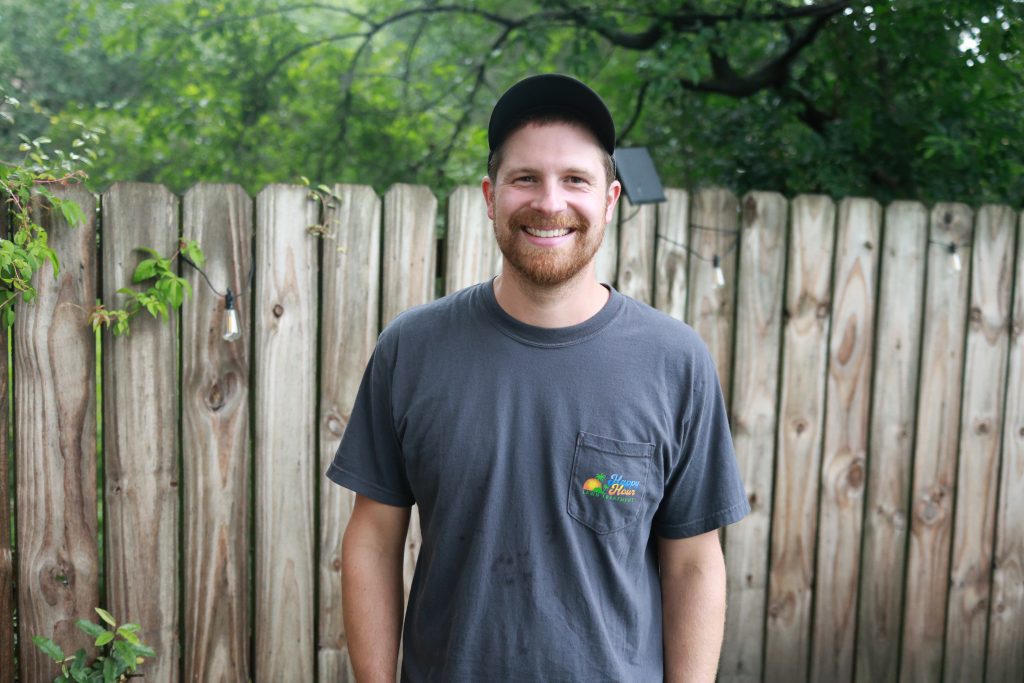
Happy Hour, take 2
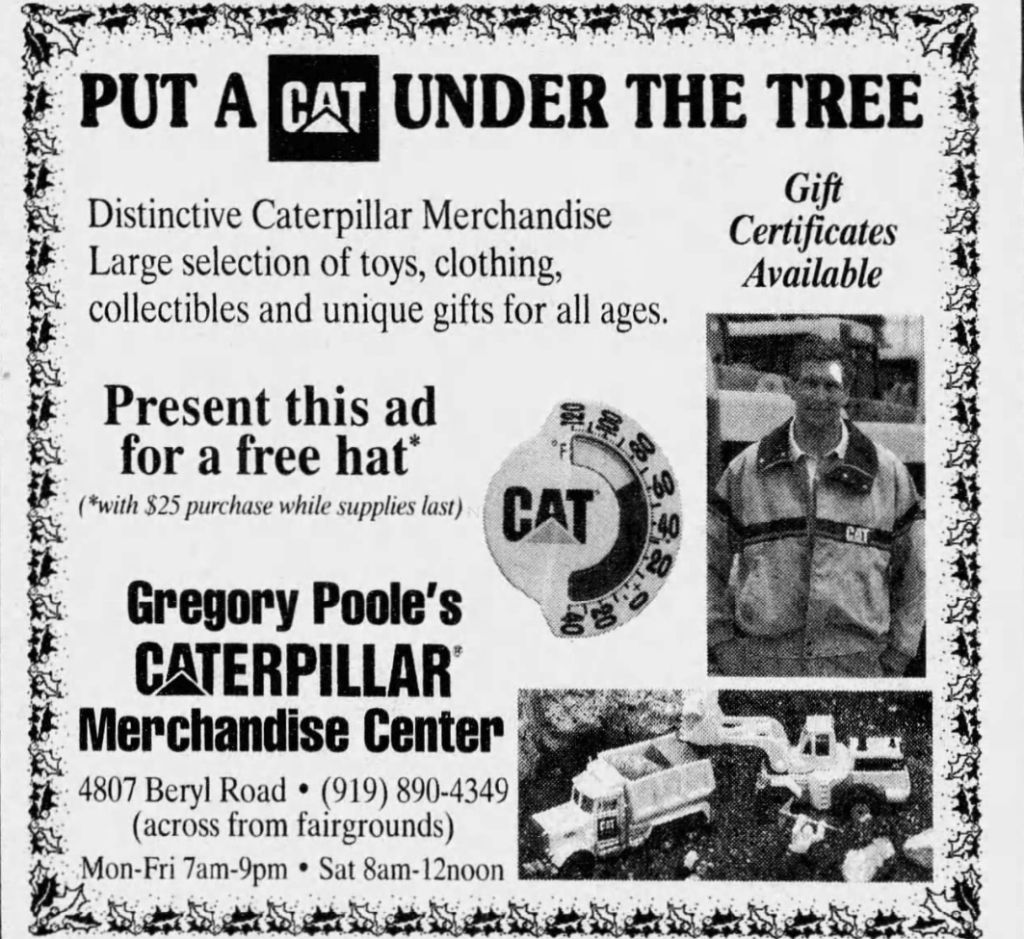
Caterpillar builds earthmoving machinery, but a substantial portion of the brand’s reach has nothing to do with construction sites. In 2025, the company reported $3 billion in retail sales of licensed merchandise across 86,000 outlets in more than 150 countries – hats and shirts worn, mostly, by people who will never operate a single piece of heavy equipment. In the same year, Caterpillar made License Global’s Top 25 Global Licensors – a ranking otherwise dominated by Disney, Mattel, Pokémon, and the NFL.
Get stories like this to your email
Hanahan resident Austin Solaguren, 34, remembers a paving company from home the same way most people remember Caterpillar. “There was a company called Central Asphalt Paving, and their dump trucks had the coolest chrome wheels,” he said. “Everyone in high school had the Central Asphalt Paving sweatshirt on. If an asphalt paving company can be quote-unquote cool, so can anyone.”
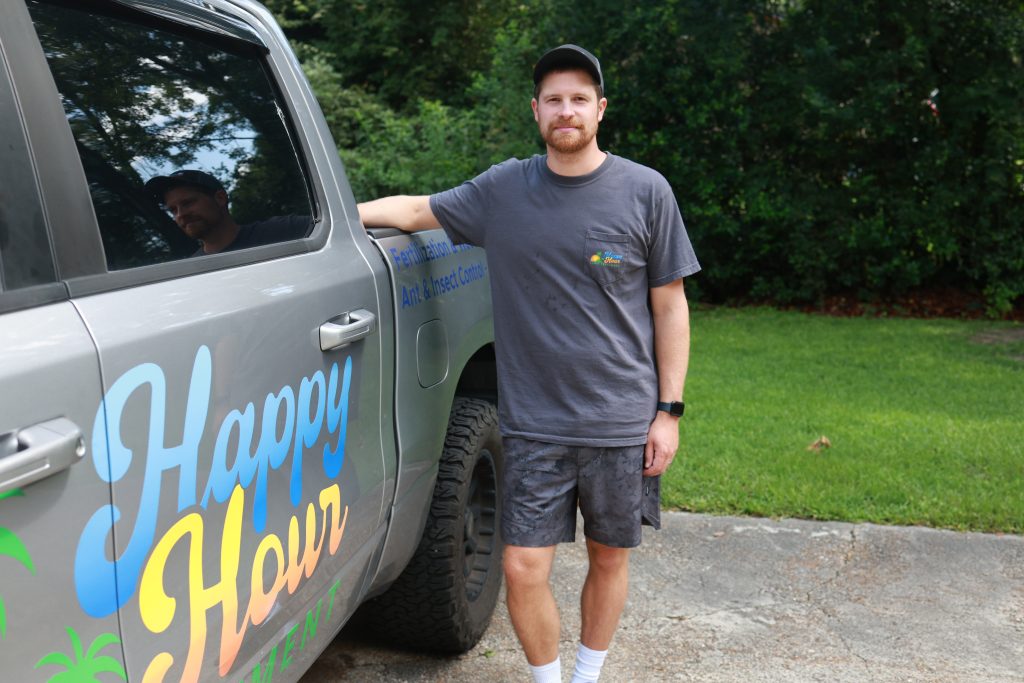
That conviction is the foundation of the business Austin is launching – Happy Hour Lawn Treatment – a Charleston-area fertilization and pest control company.
Austin moved to Charleston in 2017 from Stark, New Hampshire, a town with less than 500 people. His mother had honeymooned in the city in the mid-1980s and always called it the best place she’d ever been to. But like most people, Austin needed a push, and it came on the 4th of July, in the form of a windy, 55-degree day that canceled his party. He threw a mattress in the bed of his truck, packed three boxes, and drove south. “Best thing I ever did.”
Austin never really knew what he wanted to be, but he’s always been blue collar at heart. His earliest memory is from age five, on a family road trip. The Jeep broke down, and the mechanic put it up on a lift. Only one rear tire was spinning. Austin walked up and asked why. The mechanic stopped the spinning tire with his hand, and the other one started turning. He explained how an open differential works to a kindergartener. “I didn’t really understand it,” Austin said. “But I remember being like, this is cool. Like, the cars are cool.”
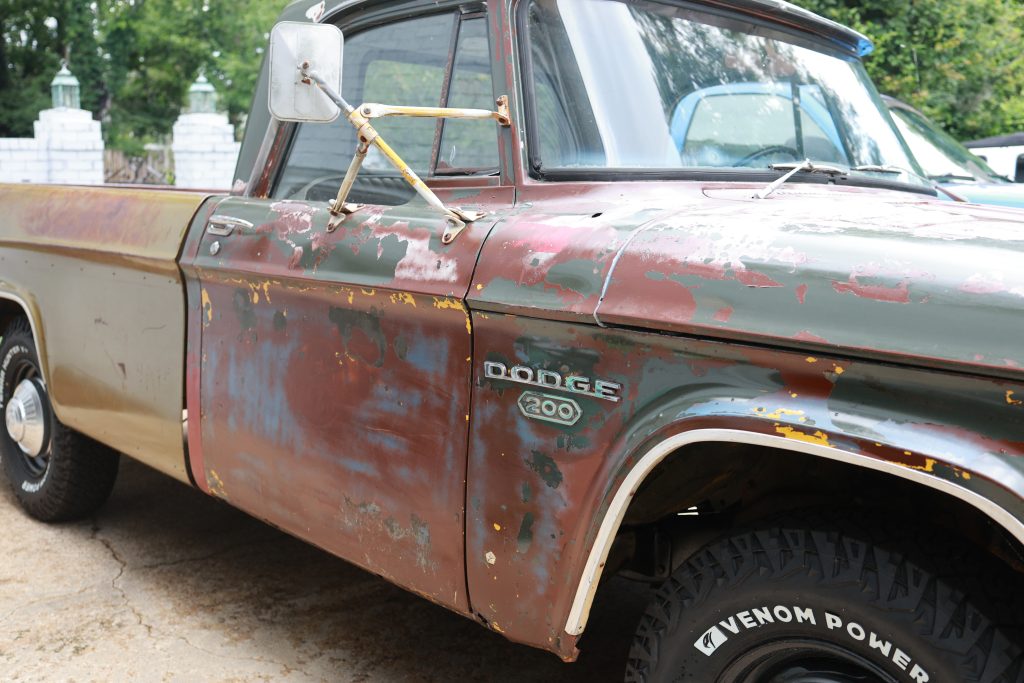
Austin developed a passion for everything with a motor. His stepdad Moe taught him the fundamentals of fixing cars, and his first pickup – a $400 truck that barely ran – kept him busy. He raced dirt bikes competitively, winning a local championship in 2011.
In high school, Austin started thinking about benefits and retirement, so he took a road maintenance job for the state of New Hampshire. He got a commercial driver’s license, but the environment wasn’t for him. “Guys there were complaining about how bad their life is and how much they hate their wives,” he said. “I didn’t want to be around that.” Local power sports dealerships, where he’d bought his bikes, asked him to come sell for them. He spent eight years selling motorcycles, ATVs, and snowmobiles before moving to Charleston.
Austin had been doing sales jobs in Charleston for a couple of years when he started getting frustrated. “I wanted to control the product that I’m selling,” he said. The idea came during a happy hour with friends in 2019. He named the business after the moment. His neighbor had equipment he could borrow, and it was hard to mess up – mowing, edging, the basics he already knew. He grew it into flower beds, mulch beds, and some landscaping, which was where the real margins were. He ran Happy Hour Lawn Care for three and a half years and sold during COVID, when an offer came in and the economy looked shaky.
Looking back, he points to three things that held his business back. His route density was loose – he said yes to customers on Johns Island when most of his work was in Mount Pleasant. He didn’t invest in a second truck and crew when he should have. And he stayed too involved in the labor itself, which meant he never had the bandwidth to build the brand. “If I’d done it right, Happy Hour might be a household name around here,” he said.
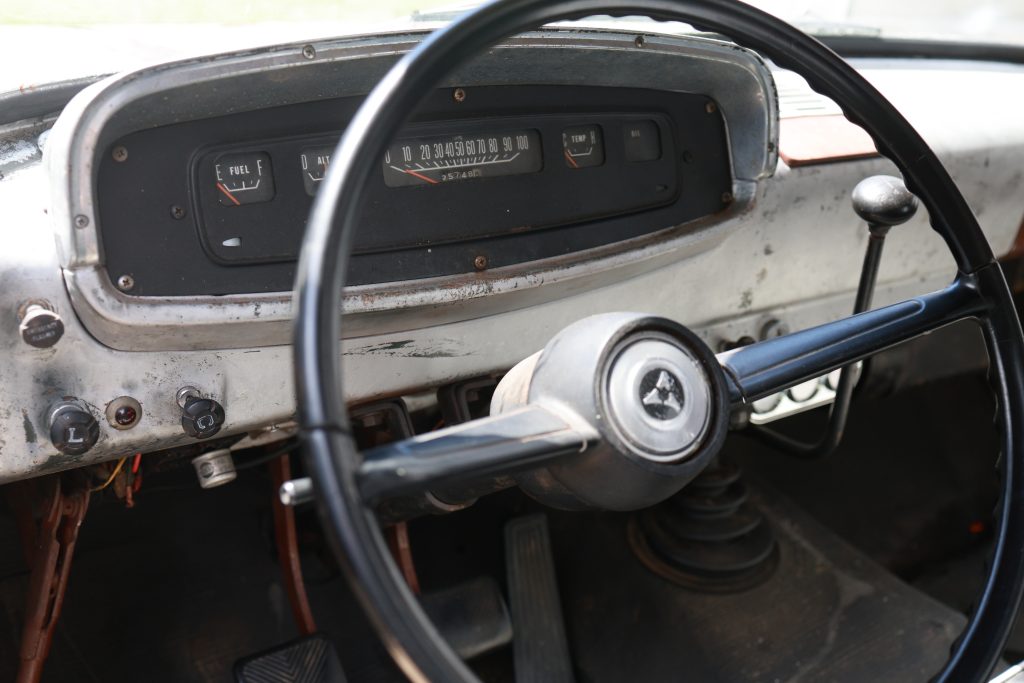
Happy Hour Lawn Treatment is the second act, but Austin considered another path. He’s owned 35 or 40 vehicles over the years – all restored, repaired, or rebuilt – and documents his current builds on a YouTube channel called The Mopar Garage. About a year ago, he was considering selling restored cars out of his garage, with the YouTube channel as the marketing arm. He decided against it. “It’s a slippery slope to make your passion your profession. You start to resent it. I have such a passion for it, I don’t want to risk losing that.”
When Austin sold the lawn care business, he kept the name and logo. The service this time around is fertilization, weed control, mosquito spraying, and granulates for fire ants and grubs. Treating lawns requires a license, and it’s technical in a way mowing isn’t. Misidentifying a fungus, picking the wrong product, or mistaking one grass type for another can destroy a customer’s lawn. “I want to do something that’s a little more intellectual,” Austin said.
For his second act, Austin is bringing a new set of skills. The years between the two Happy Hours were spent climbing the ladder at a national company. He moved from sales into operations, eventually running the Southeast region. He learned to delegate and how a large operation actually functions. But what he also learned was what he didn’t want. Sixty-hour weeks, suits, the pressure to present himself as someone he wasn’t. “My colleagues think I’m the most boring person that’s ever lived,” he said. “I’d become the person that old country boy from New Hampshire would have hated.”
Happy Hour Lawn Treatment is the antidote. Austin is building it as a lifestyle brand – men’s and women’s merch, sponsorships at local karaoke nights, trivia nights, restaurant partnerships, giveaways. “There aren’t really any lifestyle-based lawn care companies,” he said. “I didn’t want to be Green Acres Lawn Care.”
The subscription tiers borrow from bar language: the entry-level package is The Well, the mid-tier is The Special, and the premium tier is Top Shelf. The aesthetic inspiration came partly from Summer House, the Bravo reality show Austin and his wife Cassie watch. One of the show’s cast members co-founded a tea brand called Loverboy, whose merchandise rarely mentions the product itself. “Their shirts have nothing to do with ‘buy Loverboy, here’s the phone number,'” Austin said. “I was just like, why can’t I do that with the lawn care business?”
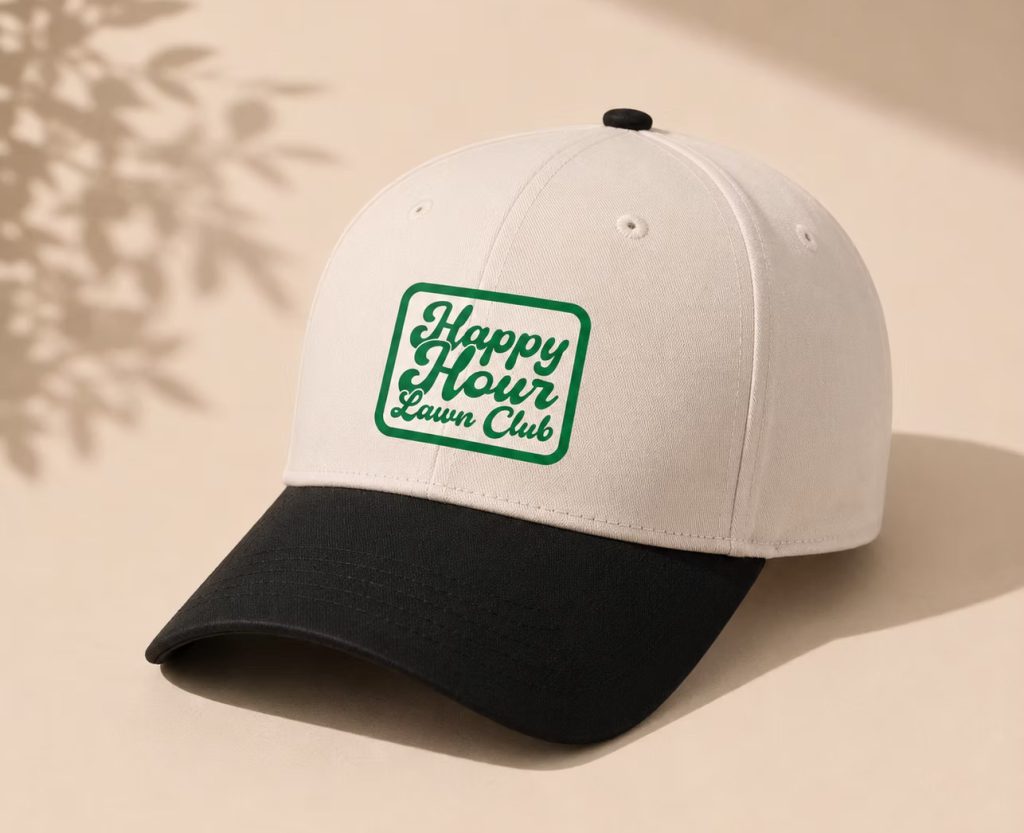
The new business launches in early June. Cassie is operating as the design and execution arm. She built the website, helped design the merch and the truck graphics, and walks roughly seven miles a day, which doubles as door-hanger distribution. She also runs a small travel agency on the side called Wander Without Worry – she’ll book trips so spontaneously that Austin sometimes boards a plane on a Friday night without knowing where he’s going. “I couldn’t do a business to this level without her,” he said.
Austin is targeting a second truck on the road by January, and he’s clear-eyed about what’s harder this time. But what he learned the first time around still applies. “I said what I was going to do, showed up on time, and never lied to people. That’ll put you so far ahead,” he said. The whole time he ran the original Happy Hour, he never had a single customer complaint.